
[ad_1]
The US government is actively weighing whether to send controversial cluster munitions to Ukraine to help combat invading Russian forces, a senior US military official has revealed.
Chairman of the Joint Chiefs of Staff Mark Milley said the country might send the dual-purpose improved conventional munition (DPICM) capable of exploding and dispersing smaller munitions over a wider area.
The move comes a few months after Ukrainian officials requested the weapons to counter Moscow’s tank fleet.
However, authorities were concerned about the safety of the munitions, fearing that civilians may die or be injured if they stumble upon unexploded bomblets.
This risk, along with unfavorable reactions from allies, has prevented the US from delivering the ordnance to Kyiv.
Closer to ‘Yes’ Now
According to reports, the administration of President Joe Biden has yet to reach a final decision regarding Ukraine’s request.
However, another senior US official told Breaking Defense that the decision is now being weighed more closely than before.
He stated that a change in the decision could be imminent and that Washington believes Ukraine and Russia have used similar munitions throughout the conflict.
“We have been thinking about DPICM for a long time, Ukrainians have asked for it,” Milley said.
“Other European countries have provided some of that, the Russians are using it. So yes, of course, there’s a decision-making process ongoing…”
A recent report by POLITICO noted that some American officials are optimistic that the Biden administration is now close to saying “yes” to the awaited delivery.
Controversy
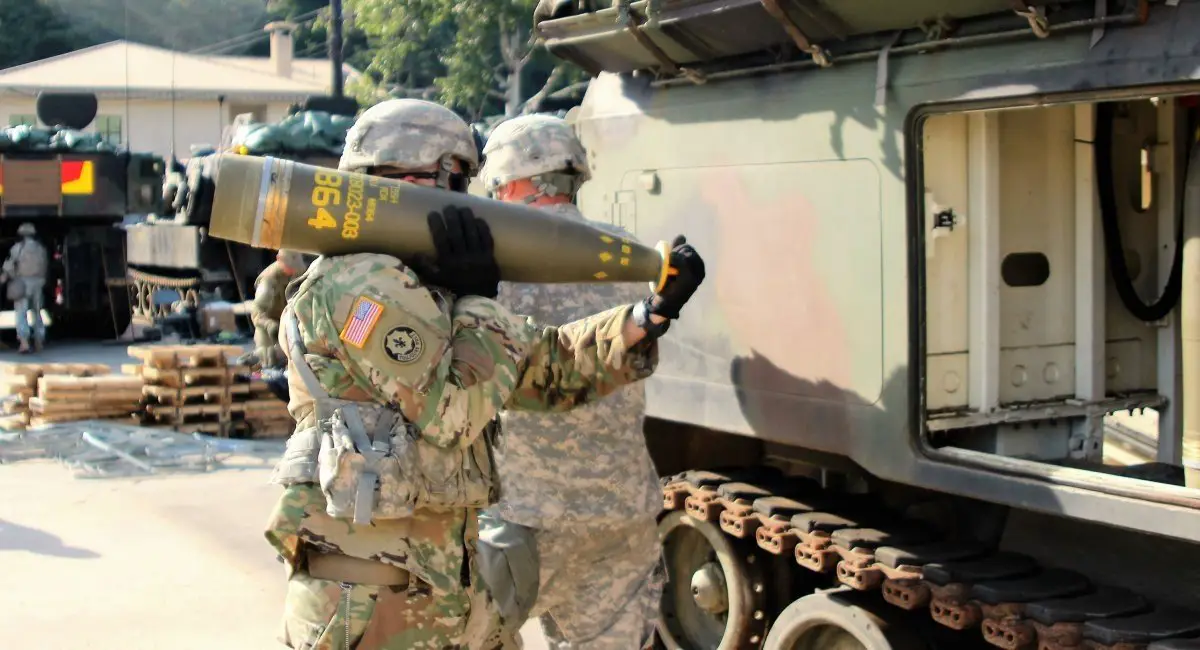
The US Army’s DPICM cluster munition is designed to destroy multiple military targets over a large area.
It can be fired from High Mobility Artillery Rocket System (HIMARS) launchers and 155-millimeter Howitzers, both operational in Ukraine.
In 2010, an international ban was imposed on cluster munitions due to the high risk to civilians.
The US is not a signatory to the sanction, but Congress ordered statutory restrictions on the country’s ability to transfer cluster munitions to allies.
The president or the state secretary can override the restrictions provided a “high operational standard” is met.
[ad_2]
Source link